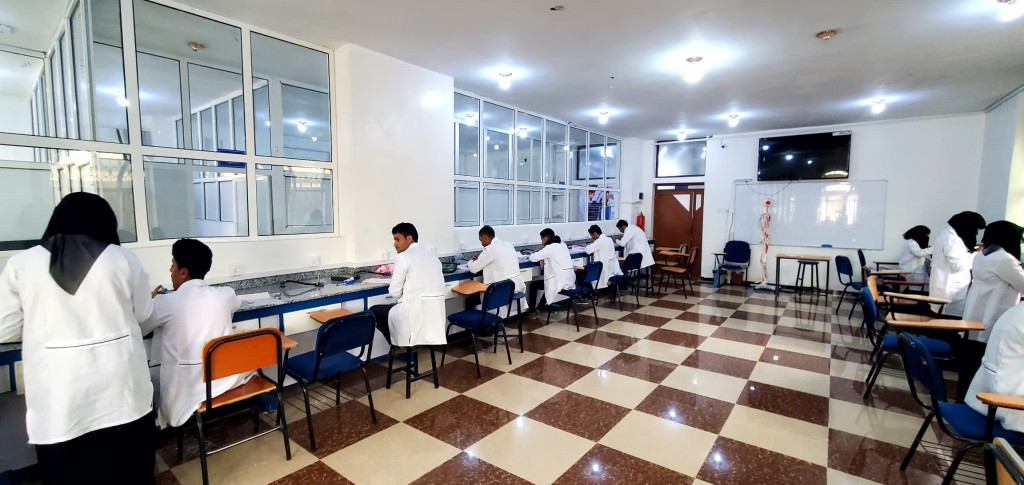
About the Program

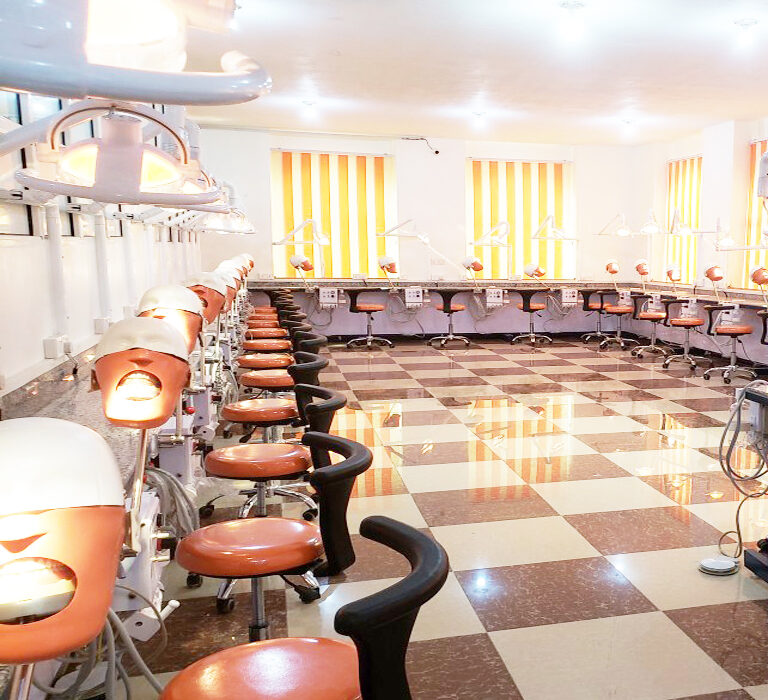
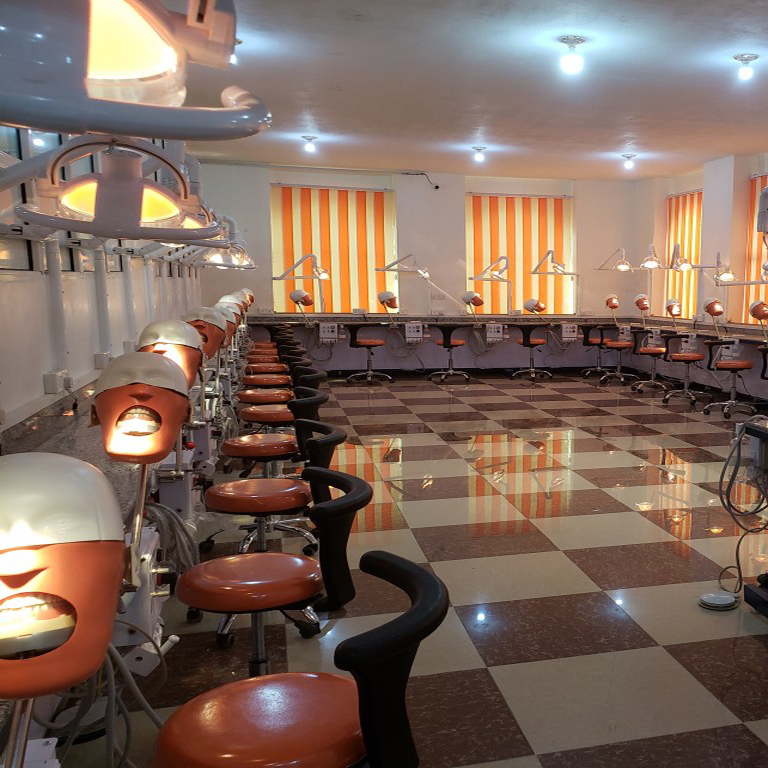
The Dentistry Program at Al-Nasser University offers a comprehensive curriculum designed to provide students with the necessary skills and knowledge to become proficient dental professionals. The program emphasizes both theoretical learning and practical application, ensuring that students gain hands-on experience in various aspects of dental care. Students in the program are trained in areas such as oral anatomy, preventive dentistry, restorative procedures, periodontology, and oral surgery, among others. The program also incorporates advanced dental technologies, preparing graduates to use state-of-the-art tools and techniques in their practice.

Program Manager

“As the program director of the Dentistry Program at Al-Nasser University, I am proud to lead a team dedicated to providing students with an outstanding education in dental science. Our program combines rigorous academic training with hands-on clinical experience to ensure that our graduates are well-equipped to serve their communities with exceptional dental care.”

Prof:….

Strategic Directions

Course Description

  Content is loading …

  Content is loading …

  Content is loading …

  Content is loading …

Curriculum Plan

Academic Staff

Mr. Mohamed Khaled

Published Research

Summary:

Dental implant technologies have seen significant advancements in recent years, with innovations and modern trends improving treatment effectiveness and patient comfort. Key developments in this field include the use of advanced materials such as titanium and ceramics, which enhance the strength and longevity of implants. New techniques, such as digital implant technology, have emerged, enabling dentists to use 3D imaging and computers to plan treatments with high precision.

Surgical techniques have also evolved, including implantation without surgery using guided surgery techniques, which helps reduce pain, swelling, and recovery time. Other innovations in this field include immediate implants, which allow for implant placement on the same day, reducing the number of visits and increasing patient satisfaction.

The increasing use of digital implants and 3D printing technologies in designing implants provides customized and patient-specific solutions. These advancements make dental implants safer and more effective, improving treatment outcomes and enhancing the ability to manage complex cases.

These modern technologies continue to revolutionize the field of dental implants, improving patients’ quality of life and increasing the success rate of treatments.

Prof. Dr. Khaled Al-Haddad

Summary:

Preventive dentistry is a cornerstone for maintaining long-term oral health. It aims to prevent diseases such as tooth decay, gum disease, and oral infections through effective strategies and procedures. These strategies include patient education about the importance of daily hygiene, such as brushing and flossing, as well as guidance on proper nutrition and the importance of reducing sugary food consumption.

Regular check-ups are also a vital part of prevention, as early diagnosis helps identify any issues with teeth and gums before they worsen. The strategies also involve fluoride treatments, which enhance the teeth’s resistance to decay, along with modern techniques such as digital X-rays and digital dentistry to improve diagnostic accuracy.

Vaccinations and preventive treatments, such as using preventive dental fillings, are considered effective in reducing the risk of cavities, and regular visits to the dentist play a crucial role in maintaining oral health.

Overall, preventive dentistry contributes to improving long-term oral health, reducing the need for surgical treatments, and lowering healthcare costs.

Devices and Laboratories

Contact Us

  • Mail: info@nu.du.ye

  • Phone:777 *** ***

  • WhatsApp:777 *** ***